The Fragrance at Flanders – Anzac Day 2014

The Fragrance at Flanders

This was not scented Alps
where nothing but the daylight changes,
nor descending by the Starnberger See
after early exercise, strolling into
the Hofgarten to drink coffee with friends
as unbridled talk merges
with the expanse of morning.

Nor was this a plunge
into a Bloomsbury morning
of Clarissa opening French windows
to the breath of a summer day. Nor a
blackbird singing in the daze of early light,
or the buying of flowers while thoughts distract
to the arrangement of a party.

At Flanders, in the half-born morning
body after body fell
indiscriminately into the mud.
Each man glad to take their final leave,
exuding a common stench
until it accumulated in a message
that couldn’t be ignored.

For a brief moment
there was a lull in the fighting
as the men were buried.
And for once there was a sensitivity
as if Christ had walked out of dead flesh
to bring together both sides –
or just nature self-correcting.

Richard Scutter 25 April 2011

Context … OLYMPUS DIGITAL CAMERA
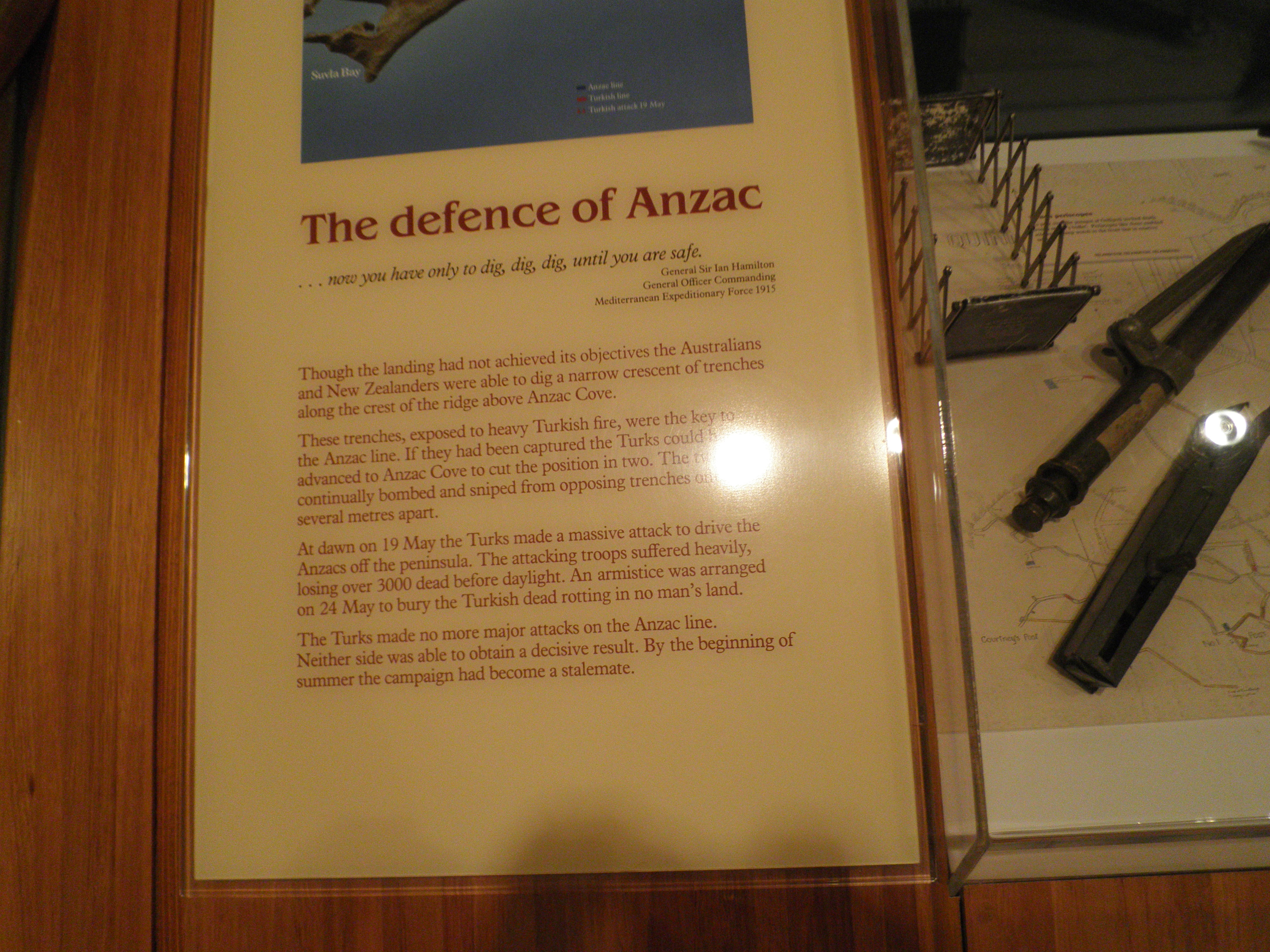
… and here is a link to another poem

A Fixed Idea – Amy Lowell

Here is an early poem by Amy Lowell

A Fixed Idea

What torture lurks within a single thought
When grown too constant; and however kind,
However welcome still, the weary mind
Aches with its presence. Dull remembrance taught
Remembers on unceasingly; unsought
The old delight is with us but to find
That all recurring joy is pain refined,
Become a habit, and we struggle, caught.
You lie upon my heart as on a nest,
Folded in peace, for you can never know
How crushed I am with having you at rest
Heavy on my life. I love you so
You bind my freedom from its rightful quest.
In mercy lift your drooping wings and go.

Amy Lowell

This poem is a Petrarchan sonnet with rhyming scheme ‘ABBAABBACDCDCD’.

The first eight lines give emphasis to the mind reflecting – thinking of a time when there was joy/delight. Thinking about it being a poor substitute to the actual experience … however the experience is such that you cannot get it out of the mind … it was that important and that emotionally charged that it dominates your life … in summary trapped in the dull pain of remembrance … the recurring joy is now ‘pain refined’. Interesting words defining the type of pain being experienced … to me it seems like a grieving … a loss has taken place and can never return. So it leads to questions such as – what to do to escape the relapse to the past? … how to incorporate a highly emotional experience in on-going living in a positive way?

The last six lines are the turn in the sonnet. Now we clearly know that this is a love experience and the lover (=you) is clearly identified. And you lie on the heart as a nest … you have made your home upon my heart and settled down at peace … but you don’t know how terrible this is to me now that you have gone … (we don’t know the circumstances – nor do we know whether the person concerned is alive or if alive whether he or she has any comprehension of how important the relationship was to the other person.)

This love can’t be ignored … a plea to find a way for it to be dissolved … for it to take flight as a bird leaving a nest. Drooping wings a very appropriate word … freedom is needed … for the wings to be activated.

Well how do you ‘deal with life’ after a relationship ends … after a death … after any other major event which dominates the mind.

And can you ever stop love?


Some Easter Words

Easter Sunday

The world is charged with the grandeur of God … Gerard Manley Hopkins
… – …
pure gold in blue sky
beauty of this risen day
touches all creation
… – …
Christmas is the birth
Easter – a life-time project ends
in non-ending life
… – …

Easter – the marriage of humanity and divinity through Jesus based on unconditional love.
love does not alter when alteration finds … Shakespeare Sonnet 116

Celebrate LIFE … shockingly beautiful.

 Enjoy today – Every day.

from last year

 … And a link to the personal poem ‘Infinite Glory’ … an alternative title to this poem –  ‘I let your beauty’ depending on the secular/non-secular perspective.

Nativity – James McAuley

Nativity

The thin distraction of a spider’s web
collects the clear cold drops of night.
Seeds falling on the water spread
a rippling target for the light.

The rumour in the ear now murmurs less,
the snail draws in its tender horn,
the heart becomes a bare attentiveness,
and in that bareness light is born.

James McAuley

I like this simple expression of the lead up to the Christmas birth in terms of light and the break of a new day.

A spider’s web is of course thin and its purpose is to entrap insects so collecting clear cold drops of water is in that sense a distraction. I think many would identify with the image of seeing spider webs glisten with dew in the early morning light. And who hasn’t seen seeds falling on water. But these seeds are falling before daybreak waiting for light to illuminate.

The rumour of Christmas decreases with the approach to the birth just as the snail withdraws its tender horn aware of the imminent approach of damaging light. The heart and nature in general is attentive to the coming break of day. How appropriate to consider this as bare and in this bareness light is born.

The response of nature to the breaking first light is an everyday event but is the first light of Christmas Day different from any other day and to what extent was the birth of Christ anticipated by nature or indeed part of a natural evolution.

I think James McAuley’s words indicate something quite special – consider the title, nativity and the link of the birth of light to the birth of Christ.

Footnote –

James Phillip McAuley was an Australian academic, poet, journalist, literary critic and a prominent convert to Roman Catholicism.

Wikipedia link – James McAuley