
Spring Hail

We had huddled together a long time in the shed
in the scent of vanished corn and wild bush birds,
and then the hammering faltered, and the torn
cobwebs ceased their quivering and hung still
from the nested rafters. We became uneasy
at the silence that grew about us, and we came out.
The beaded violence had ceased. Fresh-minted hills
smoked, and the heavens swirled and blew away.
The paddocks were endless again, and all around
leaves lay beneath their trees, and cakes of moss.
Sheep trotted and propped, and shook out ice from their wool.
The hard blue highway that had carried us there
fumed as we crossed it, and the hail I scooped
from underfoot still bore the taste of sky
and hurt my teeth, and crackled as we walked.
This is for spring and hail, that you may remember
a boy long ago, and a pony that could fly.
With the creak and stop of a gate, we started to trespass:
my pony bent his head and drank up grass
while I ate ice, and wandered, and ate ice.
There was a peach tree growing wild by a bank
and under it and round, sweet dented fruit
weeping pale juice amongst hail-shotten leaves,
and this I picked up and ate till I was filled.
 sat on a log then, listening with my skin
to the secret feast of the sun, to the long wet worms
at work in the earth, and, deeper down, the stones
beneath the earth, uneasy that their sleep
should be troubled by dreams of water soaking down,
and I heard with my ears the creek on its bed of mould
moving and passing with a mothering sound.
This is for spring and hail, that you may remember
a boy long ago on a pony that could fly.
My pony came up then and stood by me,
waiting to be gone. The sky was now
spotless from dome to earth, and balanced there
on the cutting-edge of mountains. It was time
to leap to the saddle and go, a thunderbolt whirling
sheep and saplings behind, and the rearing fence
that we took at a bound, and the old, abandoned shed
forgotten behind, and the paddock forgotten behind.
Time to shatter peace and lean into spring
as into a battering wind, and be rapidly gone.
It was time, high time, the highest and only time
to stand in the stirrups and shout out, blind with wind
for the height and clatter of ridges to be topped
and the racing downward after through the lands
of floating green and bridges and flickering trees.
It was time, as never again it was time
to pull the bridle up, so the racketing hooves
fell silent as we ascended from the hill
above the farms, far up to where the hail
formed and hung weightless in the upper air,
charting the birdless winds with silver roads
for us to follow and be utterly gone.
This is for spring and hail, that you may remember
a boy and a pony long ago who could fly.
Les Murray (1938 – 2019)
from The Illex Tree (1965)
I had rapport with this poem on first reading. I know Les Murray was born in 1938 and that he lived in a country area so it is quite likely that this reflection is based on personal experience as a boy. In Spring you can easily get a sudden upset in the weather. In Canberra a few years ago I remember snow falling in October and actually laying on the reserve near our Latham home. It was very short-lived of course but the immediate response from local children was to have fun and get out to try and make snowballs. The boy response in this poem to hail was immediate and he was out to have fun riding full speed on his pony back home celebrating the change in landscape expressed with such fast moving dynamic words as he rode his pony.
The repetition of lines –
This is for spring and hail, that you may remember
a boy long ago, and a pony that could fly.
Shows Les Murray experienced joy in articulating this childhood recall.
The title combined with the first stanza defines the storm at its height and the need for shelter. The need for shelter from the pelting is emphasized by vibrating of cobwebs. So they must wait for relief.
What I like about this poem is the description of the transformation of the environment when the young boy ventures out to ride his pony again. The effect is dramatized by the words – fresh minted hills … and when he walks out to reach his pony – the hail I scooped from underfoot still bore the taste of sky.
And this boy of long ago celebrated the change with great joy. And that joy is returned to LM as he again reflects with the words – this is for spring and hail, that you may remember / a boy long ago, and a pony that could fly.
And his ensuing ride at great pace in the hail bruised country is brilliantly described as he rode to shatter peace and lean into spring. The joy of spring and the joy of the hail affect.
Poetry created from personal experience always has increased value. We get to have a deeper insight into the poet especially when we read more of the same poet.
Les Murray on Wikipedia – Les Murray (poet) – Wikipedia

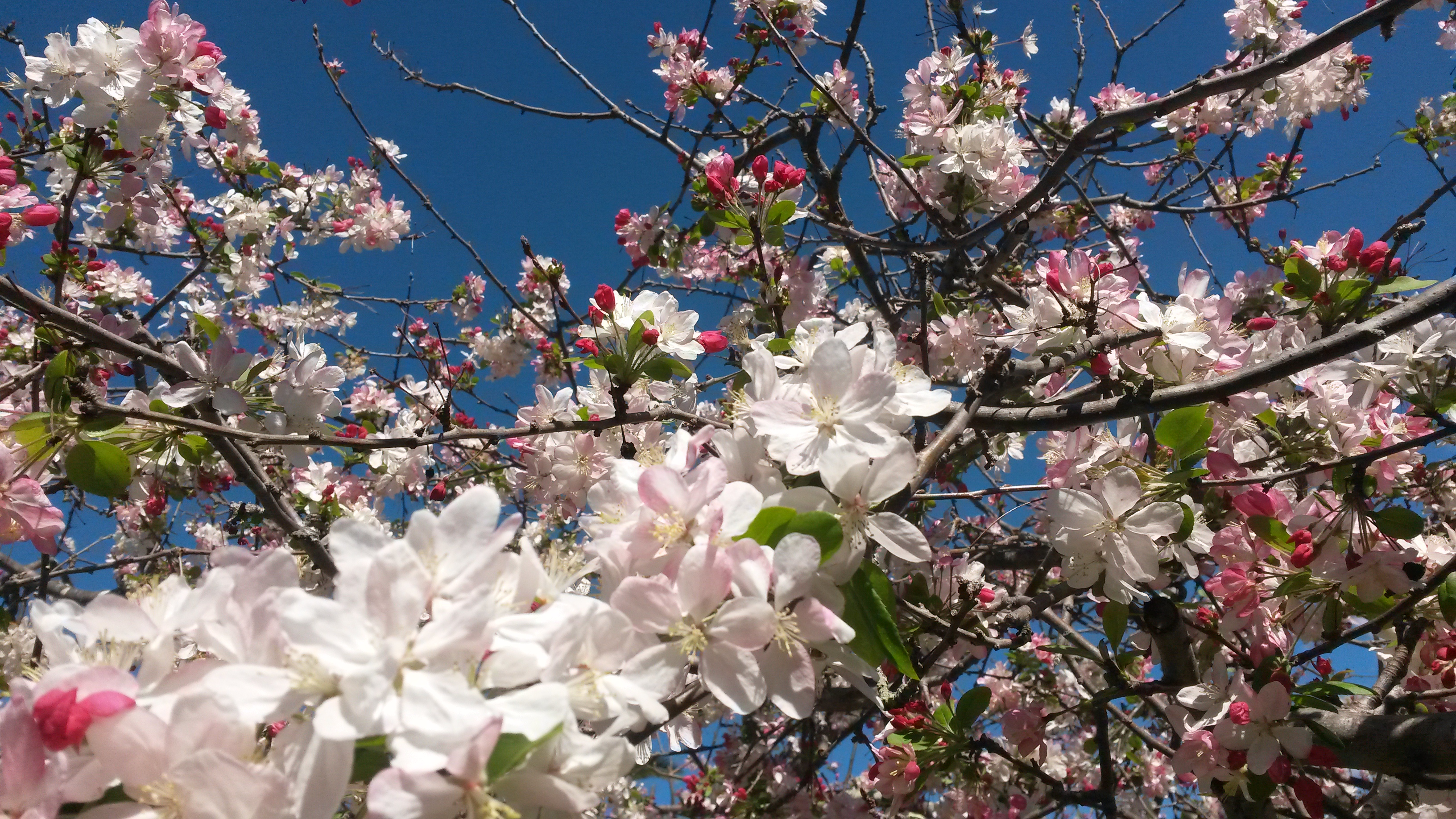 Crab Apple
 my word in your ear